Switch emulation on Android: what a Snapdragon 8 Gen 2 can and cannot do
Handheld Switch emulation went from novelty to genuinely usable in about two years. Here is where the ceiling actually sits, with thermals accounted for.
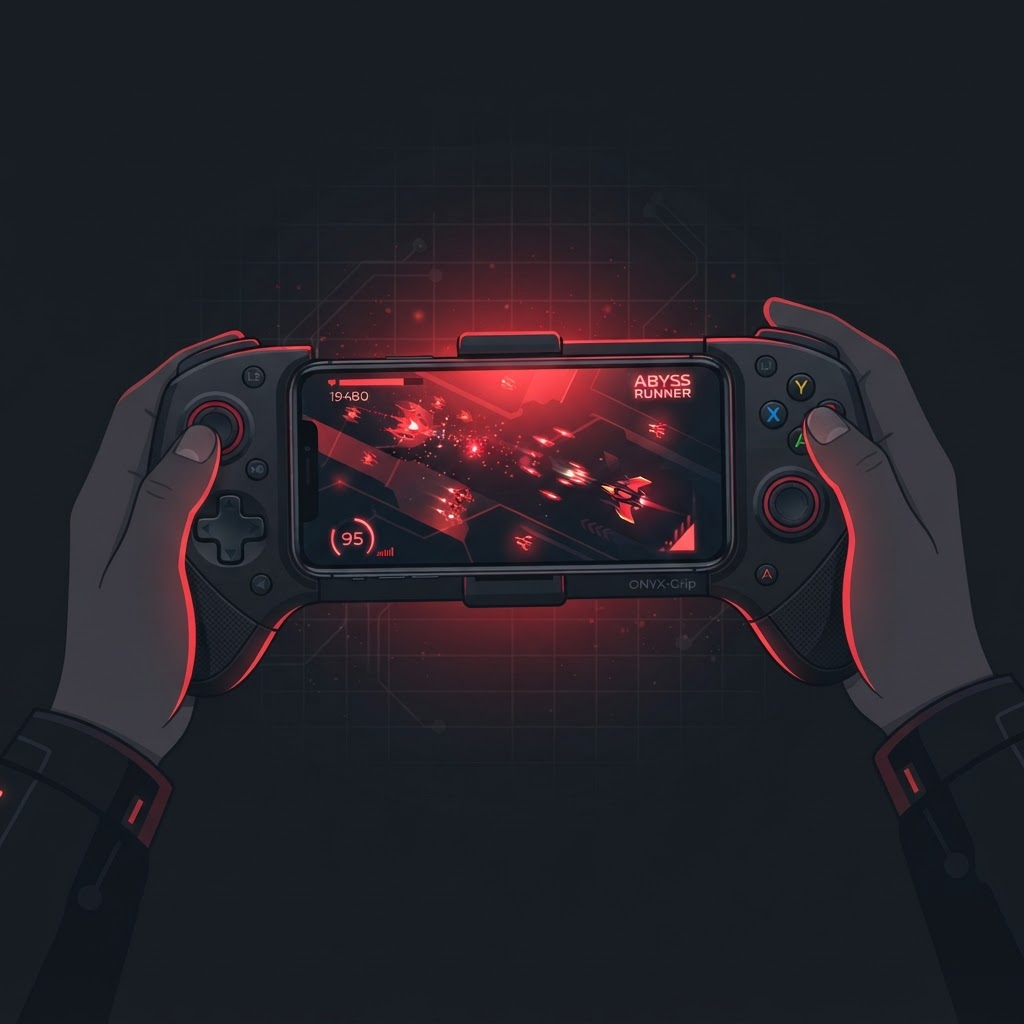
Two years ago the honest advice about Android Switch emulation was "do not bother". That is no longer true, but the good news comes with an asterisk the size of the device itself: thermals. A flagship SoC will hit numbers that look great in a five-minute video and then lose a third of them twenty minutes into an actual play session.
The hardware floor
Snapdragon 855 and Dimensity 1200 are the practical minimum, and at that level you are limited to 2D and lightweight 3D games. Snapdragon 8 Gen 2 is where the experience becomes genuinely good, largely because of Adreno 740 and the maturity of the turnip driver stack. Below the floor, no setting will rescue you.
Driver swapping is not optional
The stock Adreno driver shipped by phone vendors is consistently worse for emulation than a community turnip build. Loading a custom driver is a supported feature in the Android builds, takes about two minutes, and is frequently worth more than every graphics setting combined. If you do one thing after installing, do this.
Thermals, realistically
- First 10 minutes: near-desktop-class results in mid-weight 3D titles.
- 10 to 25 minutes: sustained clocks drop, expect to lose 20 to 30 percent of your frame rate.
- Beyond 30 minutes: without active cooling, heavier open-world games become unpleasant.
- With a clip-on cooler: the drop-off largely disappears, which is why the accessory is so widely recommended.
Settings that make sense on a phone
- 1Resolution scale at 1x. You are on a small screen and every fraction of GPU headroom matters.
- 2Custom turnip driver loaded before anything else.
- 3Handheld mode rather than docked, matching the lower internal render target.
- 4Shader cache on and left alone — the first-boot stutter is worse on ARM, and the cache is the fix.
What it is good for
Turn-based RPGs, 2D platformers, puzzle games and anything you would play in twenty-minute sessions: excellent. Long open-world sessions on battery: still a compromise. Knowing which category your library falls into tells you whether the Android build is a toy or a genuine second platform for you.